AI Misconduct in the Workplace: A Defensible Investigation Framework for Employers
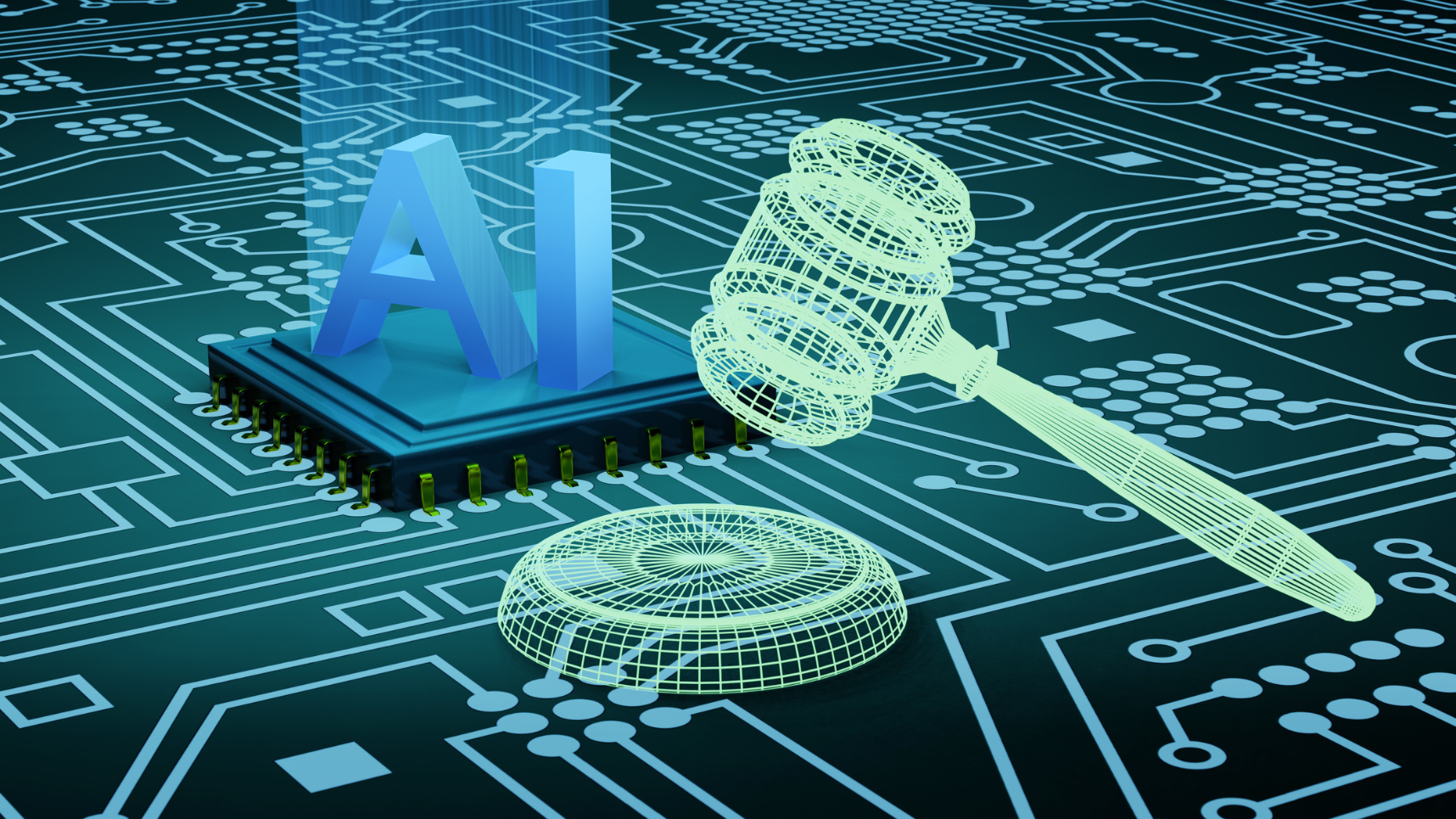
Artificial intelligence tools are increasingly implicated in workplace misconduct matters, requiring defensible digital investigation approaches.
Artificial intelligence tools are now embedded across modern workplaces — from drafting communications and analyzing data to generating images, code, and strategic outputs. Alongside legitimate use, however, organizations are encountering a growing category of workplace risk: AI-enabled misconduct.
This includes scenarios such as:
disclosure of confidential or proprietary information into public AI tools
falsification or fabrication of work product using generative AI
policy violations involving automated decision tools
harassment, impersonation, or reputational harm enabled by AI content
circumvention of internal controls using AI assistance
These matters differ materially from traditional workplace misconduct. They often involve distributed digital evidence, opaque tool behaviors, and questions of authorship, intent, and knowledge that cannot be assessed through interviews alone.
As a result, employers face a new challenge: how to investigate AI-related misconduct in a manner that is factually sound, procedurally fair, and legally defensible.
Why Traditional Investigation Approaches Often Fail
Most workplace investigations rely on three pillars: witness accounts, documentary review, and policy analysis. In AI-enabled misconduct matters, each of these pillars becomes less reliable without digital evidence analysis.
For example:
AI outputs may not be stored locally or centrally
user prompts and inputs may be partially or entirely absent
content may be modified post-generation
attribution between human and AI contribution may be unclear
platform data may reside outside employer systems
This creates risk in both directions. Employers may over-attribute misconduct to an employee without technical basis, or under-assess serious breaches due to incomplete evidence reconstruction.
Evidentiary Risks Unique to AI-Enabled Misconduct
AI investigations introduce several evidentiary complexities not present in conventional workplace matters:
Authorship ambiguity
Determining whether content was generated, edited, or materially influenced by AI can require technical indicators and contextual reconstruction.
Ephemeral interaction data
Many AI tools do not retain full prompt histories or may allow user deletion, complicating reconstruction.
External platform dependence
Relevant evidence may exist in third-party AI environments beyond employer custody.
Transformation chains
Outputs may be copied, edited, and redistributed across systems, obscuring origin.
Policy-knowledge gaps
Employee awareness of AI restrictions may be unclear where policies lag technology adoption.
These factors make defensible findings difficult without specialized digital evidence methods.
Principles of a Defensible AI Misconduct Investigation
While each matter is fact-specific, defensible AI investigations generally adhere to several core principles:
Early digital scoping
Identifying potential AI tools, platforms, and evidence locations at the outset.
Preservation of volatile data
Securing relevant artifacts before alteration or deletion.
Contextual reconstruction
Rebuilding sequences of interaction across systems and timelines.
Attribution analysis
Distinguishing human authorship, AI assistance, and modification layers.
Policy alignment assessment
Evaluating conduct against contemporaneous organizational guidance.
Methodological transparency
Ensuring investigative steps can be explained and defended if scrutinized.
These elements move an investigation beyond narrative assessment toward evidentiary reliability.
The Role of Digital Investigation Methodology
AI-related workplace matters increasingly require capabilities traditionally associated with digital forensics and OSINT analysis. This does not imply criminal-level examination, but rather structured handling of digital evidence.
Relevant activities may include:
artifact identification across devices and platforms
metadata and version analysis
AI output characteristic assessment
cross-system timeline construction
source validation of online material
documentation of evidence handling steps
Such methodology supports both internal decision-making and potential downstream legal scrutiny.
Integrating Defensible Practice into Organizational Response
Employers are beginning to recognize that AI-enabled misconduct is not simply a policy issue, but an evidentiary one. Investigations must now address both behavioral and technological dimensions.
To support this need, Tracepoint’s AI-Misconduct Investigation Framework provides structured guidance across:
scoping and triage of AI-related allegations
digital evidence identification and preservation
attribution and authorship assessment
policy and knowledge context analysis
defensible documentation of findings
The framework is designed to help organizations move from uncertainty toward fact-based assessment while maintaining procedural fairness.
When to Engage a Digital Investigator
External digital investigation support may be appropriate where:
AI tool use or authorship is disputed
evidence exists outside employer systems
misconduct allegations are high-impact
findings may face legal challenge
internal teams lack technical attribution capability
Early engagement is often preferable to retrospective reconstruction after data loss or narrative entrenchment.
AI-enabled misconduct introduces new investigative complexity into workplace matters. Without structured digital evidence methodology, employers risk conclusions that are incomplete, inaccurate, or difficult to defend.
A defensible approach requires integrating traditional workplace investigation practice with digital analysis tailored to AI environments.
As AI adoption accelerates, the ability to investigate its misuse with rigor and clarity will become an essential organizational capability.
About Tracepoint Intelligence
Tracepoint Intelligence is a boutique investigations firm specializing in digital investigations, workplace misconduct investigations, open-source intelligence (OSINT), and corporate risk intelligence for organizations, HR leaders, and legal counsel across North America.